




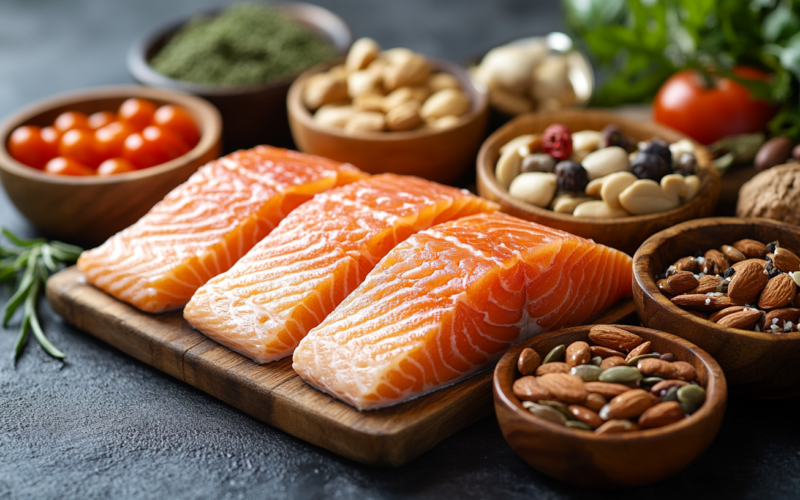
You may think high-fat foods belong off your plate, but that view misses a key point: some fats support heart, brain, and metabolic health when you choose them well. Avocados, fatty fish, nuts, seeds, olive oil, eggs, and even small amounts of dark chocolate can supply essential nutrients along with satiety. The real question isn’t whether fat is present, but which fats deserve a place in your diet—and which ones don’t.
Avocados: The Creamy Fat-Rich Favorite
Avocados are a nutrient-dense source of mostly monounsaturated fat, which supports heart health and helps improve the absorption of fat-soluble vitamins such as A, D, E, and K.
When you include them in meals, you gain avocado benefits beyond texture and flavor. Their healthy fats can help you feel satiated, which may reduce overeating later in the day. You also supply potassium, fiber, and folate, nutrients that support normal blood pressure, digestive function, and cellular repair.
Healthy fats help you feel satisfied, while potassium, fiber, and folate support blood pressure, digestion, and cellular repair.
You can slice avocado on whole-grain toast, add it to salads, or blend it into sauces for a creamy consistency without relying on less nutritious spreads.
Because avocados contain very little sugar and no cholesterol, they fit well into a balanced, evidence-based eating pattern.
Why Fatty Fish Belong on Your Plate
If you’re looking for another source of healthy fat, fatty fish deserves a place on your plate. You can choose salmon, sardines, mackerel, or trout to increase your intake of EPA and DHA, two omega-3 fats linked to cardiovascular and neurological support.
These fatty fish benefits extend beyond fat content: they provide high-quality protein, vitamin D, and selenium while remaining relatively low in saturated fat. As omega 3 sources, they may help reduce triglycerides and support normal blood pressure when you include them regularly as part of a balanced diet.
You don’t need large portions; even two servings a week can make a meaningful difference. For best results, prepare fish by baking, grilling, or poaching rather than frying, so you preserve nutrients and keep added fats low.
Nuts That Deliver Healthy Fats and Fiber
A small handful of nuts can add substantial nutrition to your diet, delivering mostly unsaturated fats along with fiber, plant protein, and key minerals such as magnesium and vitamin E.
You can choose among many nut varieties, including almonds, walnuts, pistachios, and hazelnuts, each with distinct nutrient profiles. Their health benefits include improved satiety and better dietary integration when you replace refined snacks with measured portions.
Pay attention to fiber content, because it supports digestive regularity and helps moderate blood sugar responses. For practical snack options, keep unsalted nuts available and use portion control to avoid excess calories.
You can also apply them in culinary uses, such as salads, oatmeal, and yogurt, where they provide flavor enhancements. When possible, prioritize sustainable sourcing.
Seeds Packed With Omega-3 Fat
Seeds can extend the benefits of healthy fats beyond nuts, especially when you choose varieties rich in omega-3s. You can rely on chia seeds and flaxseeds as concentrated plant sources of alpha-linolenic acid, a fatty acid linked to cardiovascular support.
When you add them to yogurt, oats, or smoothies, you increase fiber intake at the same time, which may improve satiety and digestive regularity. Ground flaxseeds absorb more easily than whole seeds, so you should use them when possible.
Chia seeds also form a gel when mixed with liquid, which helps you build texture without added sugar. Because you need only small portions, these seeds fit easily into a balanced diet while delivering meaningful unsaturated fat and micronutrients.
Olive Oil’s Heart-Healthy Benefits
What makes olive oil stand out among high-fat foods is its unusually strong link to cardiovascular health. When you choose extra-virgin options, you get more monounsaturated fat and protective polyphenols, both of which can help support healthier LDL cholesterol levels and reduce oxidative stress.
Research consistently favors olive oil varieties that are minimally processed, because they preserve these compounds better than refined products. You can use it for dressings, sautéing, or roasting; cooking with olive oil is practical, stable, and compatible with a heart-conscious diet.
Replace butter or heavily refined oils with olive oil to improve fat quality without sacrificing flavor. Used regularly in balanced meals, it offers a reliable way to support long-term vascular health.
How Full-Fat Greek Yogurt Helps
Full-fat Greek yogurt can support satiety and metabolic health because it combines protein, fat, and beneficial live cultures in a nutrient-dense package.
You gain a strong satiety factor from its protein, which helps curb hunger between meals. Its probiotic benefits may also support a healthier gut environment, though individual responses vary.
The creamy texture makes it satisfying without requiring added sugar, and that helps you keep desserts and snacks more balanced. You can use it for breakfast bowls, savory sauces, or as a substitute for sour cream, which improves meal versatility.
Because it delivers substantial nutrition density in a compact serving, it fits well into diets that prioritize quality calories.
Choose plain, full-fat versions to preserve these advantages and avoid unnecessary additives.
Eggs and Their Nutrient-Dense Fats
Eggs deliver a compact mix of high-quality protein, healthy fats, and key micronutrients, making them one of the most nutrient-dense foods you can eat.
You get a versatile protein source that supports muscle maintenance and satiety while aiding nutrient absorption of fat-soluble vitamins. Their yolk provides choline, which supports brain health, and current evidence doesn’t support strict dietary myths about eggs and poor cholesterol management for most people.
For breakfast benefits, choose egg variations such as boiled, poached, or lightly scrambled to limit added fat.
Practical cooking tips include using minimal oil and pairing eggs with vegetables for a balanced meal.
When you eat them regularly as part of a varied diet, eggs can fit into a healthy pattern without excess calories.
Dark Chocolate’s Surprising Healthy Fats
If you’re looking for another high-fat food that can fit into a healthy diet, dark chocolate is a strong candidate.
You should choose dark chocolate varieties with a high cocoa percentage, because they typically contain more cocoa butter and less sugar. Those fats come mainly from stearic and oleic acids, which research suggests may have a neutral or favorable effect on blood lipids.
Dark chocolate also offers antioxidant properties from flavonoids, which can help protect cells from oxidative stress.
To get the most benefit, you should keep portions modest and select products with minimal added ingredients. A small serving can satisfy your sweet tooth while contributing useful fats and bioactive compounds, making dark chocolate a practical, evidence-based addition to your diet.
Cheese as a Satisfying High-Fat Food
Cheese can be a satisfying high-fat food when you choose it thoughtfully and keep portions in check. You can benefit from its protein, calcium, and fat, which together promote satiety and make small servings feel substantial.
Different cheese varieties, such as cheddar, mozzarella, feta, and Parmesan, offer distinct textures and sodium levels, so you can match them to your needs. When you review cheese nutrition, focus on serving size, saturated fat, and added ingredients in processed options.
For practical cheese recipes, add measured amounts to salads, vegetables, eggs, or whole-grain dishes. A balanced cheese pairing with fruit, nuts, or fiber-rich foods can improve flavor and help you stay satisfied longer.
Coconut’s Fats: When They Fit Best
Coconut can fit into a healthy eating pattern when you use it deliberately, because its fat is mostly saturated and can add richness, texture, and quick energy in small amounts.
You may get the most practical benefit from coconut in dishes that need flavor without large portions, such as curries, roasted vegetables, or baked foods made with coconut oil.
Its fat profile includes medium chain triglycerides, which your body can absorb and use differently from longer-chain fats, but that doesn’t make coconut a health staple.
You should treat it as a targeted ingredient, not a main fat source. If you already eat plenty of unsaturated fats from nuts, seeds, olive oil, and fish, coconut can serve as an occasional complement rather than a daily foundation.
