



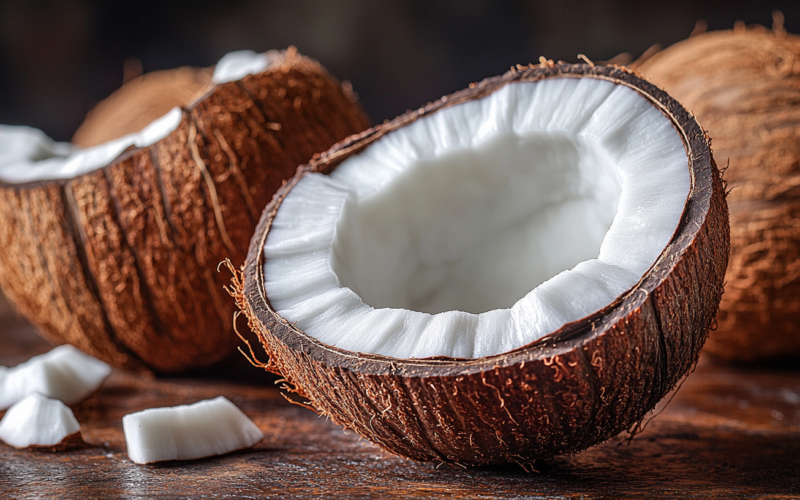
If you use coconut regularly, you may notice more than just its flavor. It can support heart health by increasing HDL cholesterol, help you replace fluids after exercise, and provide oil that reduces skin moisture loss. Its fiber may also aid digestion. The question is how much and in what form you should use it to get these benefits without adding unnecessary saturated fat.
Why Coconut Supports Heart Health
Coconut may support heart health because it contains fats that can influence cholesterol metabolism, especially medium-chain triglycerides, which are processed differently than longer-chain fats.
When you review coconut nutrition, you’ll see that coconut fatty acids are mainly saturated, yet their metabolic effects differ from many animal fats. Research suggests these fats can raise HDL cholesterol, and they may have a smaller effect on LDL cholesterol when used in place of certain refined carbohydrates.
Coconut’s saturated fats act differently than many animal fats, potentially raising HDL and modestly affecting LDL.
You should still use coconut in moderation, because total saturated fat intake matters for cardiovascular risk. Choose minimally processed forms and fit them into an overall diet rich in fiber, unsaturated fats, and low in excess sodium.
That pattern supports healthier lipid profiles and better long-term cardiac outcomes.
How Coconut Helps You Stay Hydrated
Because coconut water contains water, potassium, sodium, and small amounts of carbohydrate, it can help you replace fluids after sweating, illness, or exercise. You can use it to support hydration when you need a simple beverage with modest electrolyte content.
Its potassium and sodium contribute to electrolyte balance, which matters for nerve signaling, muscle function, and fluid distribution. Compared with plain water, coconut water may offer a small advantage when you’ve lost minerals through perspiration, though it isn’t a full oral rehydration solution.
You should still match intake to your fluid losses and choose unsweetened coconut water when possible. If you have kidney disease or must limit potassium, talk with a clinician before using it regularly for hydration.
Coconut Oil Benefits for Skin and Hair
When you apply coconut oil to skin or hair, its high saturated fat content can help reduce transepidermal water loss and improve surface softness by forming an occlusive layer.
Coconut oil helps reduce transepidermal water loss and softens skin by forming a protective occlusive layer.
You may use it as a short-contact moisturizer for dry skin, especially on rough areas that need barrier support. Its coconut oil properties include emollient lipids and modest antimicrobial activity, which can help limit dryness-related irritation.
For hair, you can apply a small amount to reduce frizz, improve manageability, and lower protein loss from washing or styling.
These coconut oil uses work best on dry, intact skin and coarse hair textures.
Use it sparingly, since excess oil can feel heavy and may clog pores in acne-prone areas.
Why Coconut Supports Better Digestion
Even in small amounts, coconut can support digestion by providing readily absorbed fats that slow gastric emptying just enough to promote satiety without overwhelming the gut.
You also get coconut fibers, which add bulk to stool and may help regulate bowel movements. In addition, coconut contains compounds that can assist digestive enzymes, improving the breakdown of nutrients in a well-managed diet.
When you include coconut as part of dietary balance, you may support gut health by reducing digestive strain and promoting a more stable intestinal environment.
Because coconut is energy-dense, you should use it in moderation, especially if you have fat-sensitive digestion or a low-fiber eating pattern.
Easy Ways to Add Coconut to Your Diet
A practical approach is to add coconut in small, measured amounts to meals you already eat. You can stir unsweetened coconut flakes into oatmeal, yogurt, or salad for texture and modest fat intake.
Blend a coconut smoothie with fruit, leafy greens, and unsweetened coconut milk to increase palatability without excess added sugar. If you want a portable option, choose coconut snacks such as roasted chips or plain pieces, but check labels for sodium and sweeteners.
You can also use coconut oil sparingly in cooking when you need a stable fat for heat. Keep portions controlled, because coconut is energy-dense and can raise calorie intake quickly.
If you monitor intake, you’ll integrate coconut efficiently and support a balanced dietary pattern.
